Stunning Loropetalum Companion Plants That Will Make Your Garden Pop
Stunning Loropetalum Companion Plants That Will Make Your Garden POP
Loropetalum is a beautiful evergreen shrub that is known for its colorful flowers. It is a versatile plant that can be used in a variety of ways, including as a hedge, specimen plant, or border.
If you are planning to add a loropetalum to your garden, you will want to choose companion plants that will complement its beauty. Here are some of the best loropetalum companion plants:
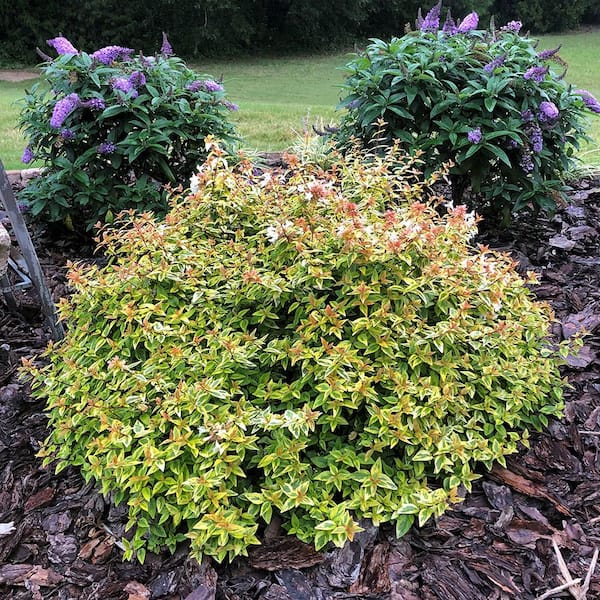
- Abelia: Abelia is another evergreen shrub that is known for its colorful flowers. It is a good choice for companion plants because it has similar growing requirements to loropetalum. Abelia also blooms at the same time as loropetalum, so you will have a long period of color in your garden.
- Asiatic Jasmine: Asiatic jasmine is a fragrant vine that is perfect for draping over a wall or fence. It is a good choice for companion plants because it will provide some shade for the loropetalum, which can help to prolong its bloom time.

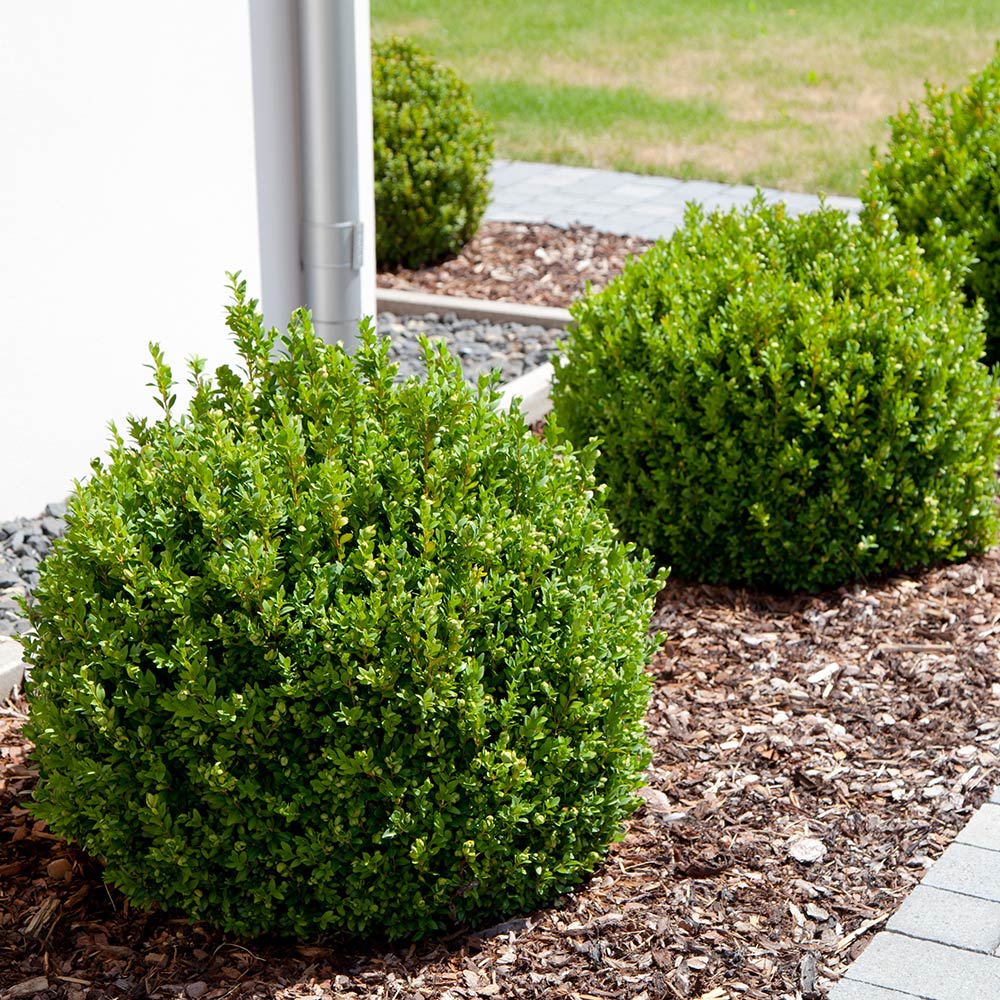
- Boxwood: Boxwood is a classic evergreen shrub that is known for its dense foliage. It is a good choice for companion plants because it will provide some contrast to the colorful flowers of the loropetalum. Boxwood is also a low-maintenance plant, so it is a good choice for those who do not have a lot of time to garden.
- Camellia: Camellia is a beautiful flowering shrub that is native to Asia. It is a good choice for companion plants because it has similar growing requirements to loropetalum. Camellias also bloom in the winter, so you will have color in your garden year-round.
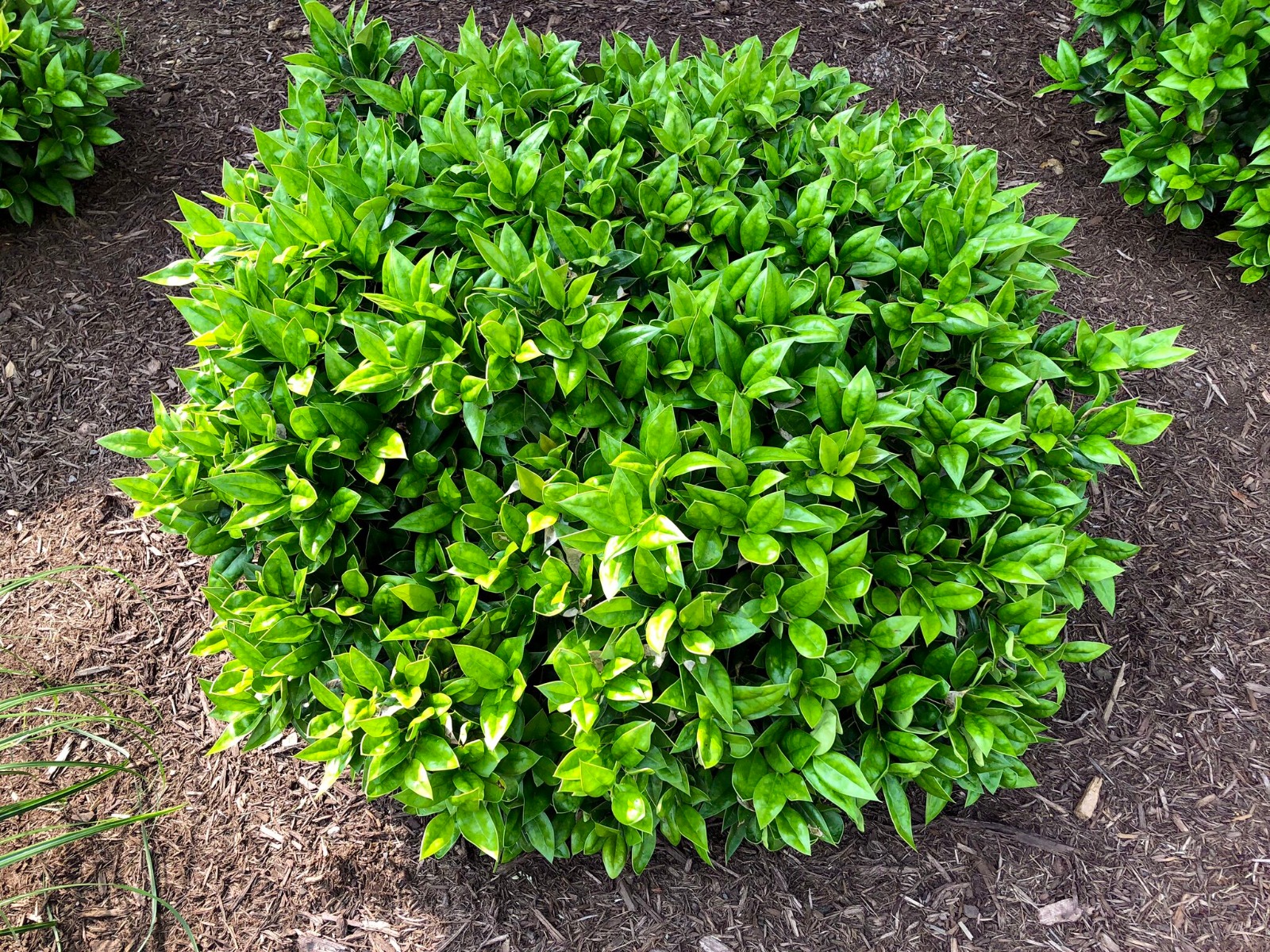
- Carissa Holly: Carissa holly is a thorny evergreen shrub that is native to South Africa. It is a good choice for companion plants because it provides some structure and interest to the garden. Carissa holly is also drought-tolerant, so it is a good choice for those who live in dry climates.
- Cinquefoil: Cinquefoil is a low-growing perennial that is known for its bright flowers. It is a good choice for companion plants because it will provide some groundcover for the loropetalum. Cinquefoil is also deer-resistant, so it is a good choice for those who have problems with deer in their garden.

- Cryptomeria: Cryptomeria is a tall evergreen tree that is native to Japan. It is a good choice for companion plants because it provides some height and structure to the garden. Cryptomeria is also drought-tolerant, so it is a good choice for those who live in dry climates.

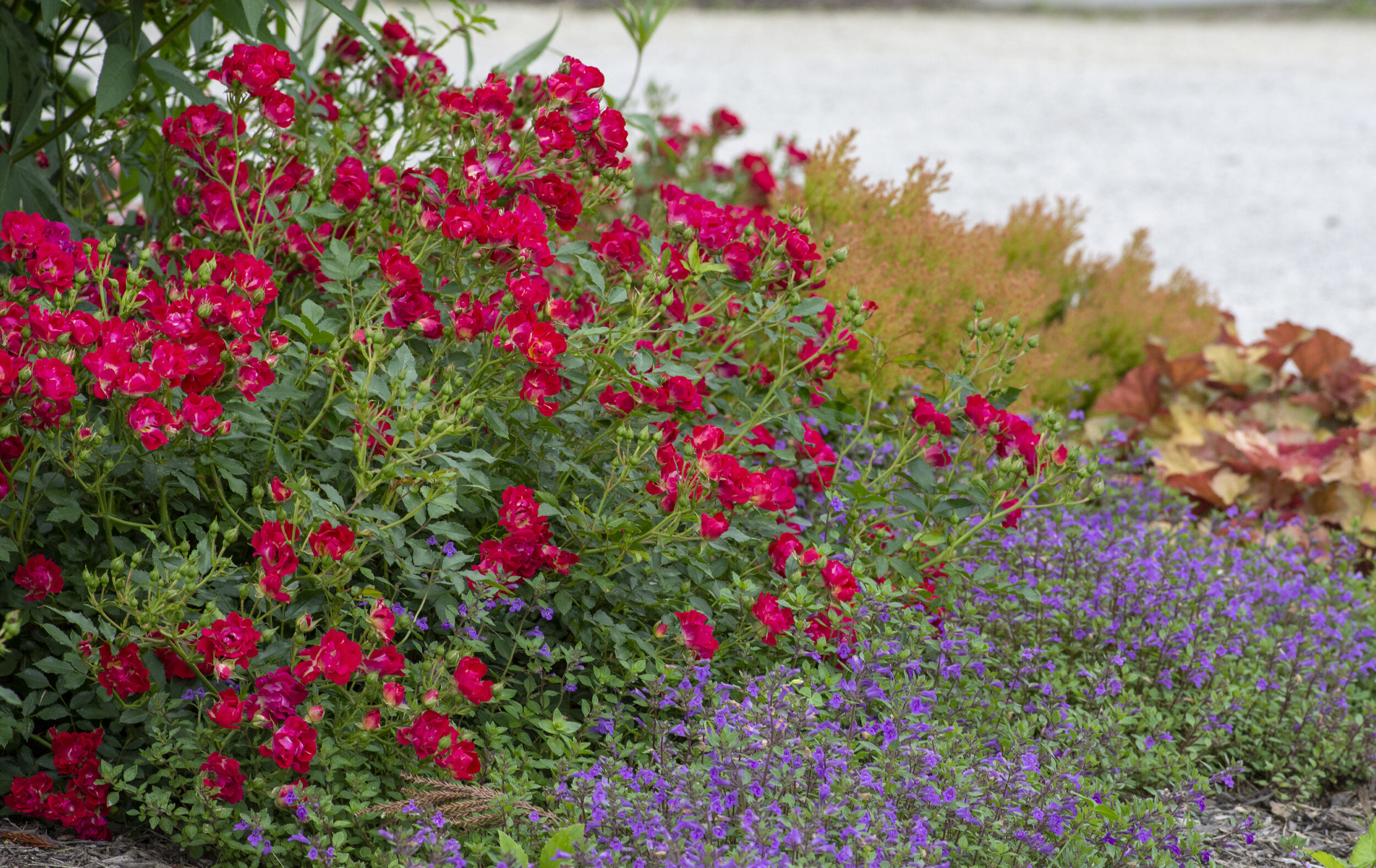
- Drift Rose: Drift roses are a type of shrub rose that is known for its cascading flowers. They are a good choice for companion plants because they will provide some contrast to the upright form of the loropetalum. Drift roses are also relatively disease-resistant, so they are a good choice for those who do not have a lot of time to garden.
These are just a few of the many great loropetalum companion plants. When choosing companion plants, it is important to consider the growing requirements of both plants. You should also make sure that the plants will complement each other's colors and textures.
With a little planning, you can create a stunning garden that features the beauty of loropetalum and its companion plants.
Loropetalums are beautiful shrubs that can add a touch of color and interest to any garden. But what plants look good next to loropetalums? Here are a few suggestions:
- Jasmine: Jasmine is a classic companion plant for loropetalums. The white flowers of jasmine contrast beautifully with the purple flowers of loropetalums, and both plants have a sweet fragrance.
- Camellias: Camellias and loropetalums have similar growing requirements, so they make good companions. Camellias also bloom in the early spring, so they can extend the flowering season in your garden.
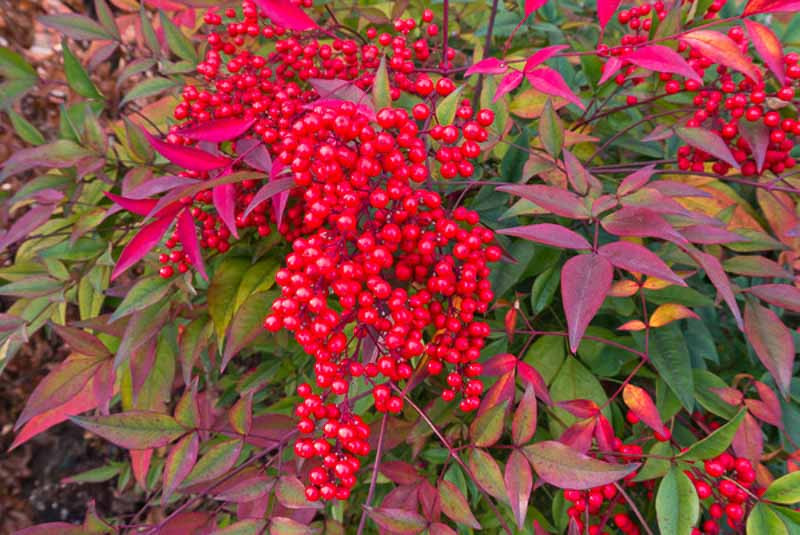
- Nandina: Nandina is a versatile shrub that can be used in a variety of ways. It has attractive foliage and clusters of red berries in the fall. Nandina can also be used to create a privacy screen or hedge.
- Ligustrum: Ligustrum is a fast-growing shrub that can be used to create a screen or hedge. It has glossy green leaves and small white flowers.

- Elderberry: Elderberry is a deciduous shrub that blooms in the spring with clusters of white flowers. The flowers are followed by edible berries in the fall. Elderberry can be used to make jams, jellies, and wine.

For more information about loropetalum companion plants, please visit Gardenia Inspiration.
FAQ of loropetalum companion plants
Question 1: What are some good companion plants for loropetalum?
Answer: Loropetalum is a versatile shrub that can be grown in a variety of settings. Some good companion plants for loropetalum include:
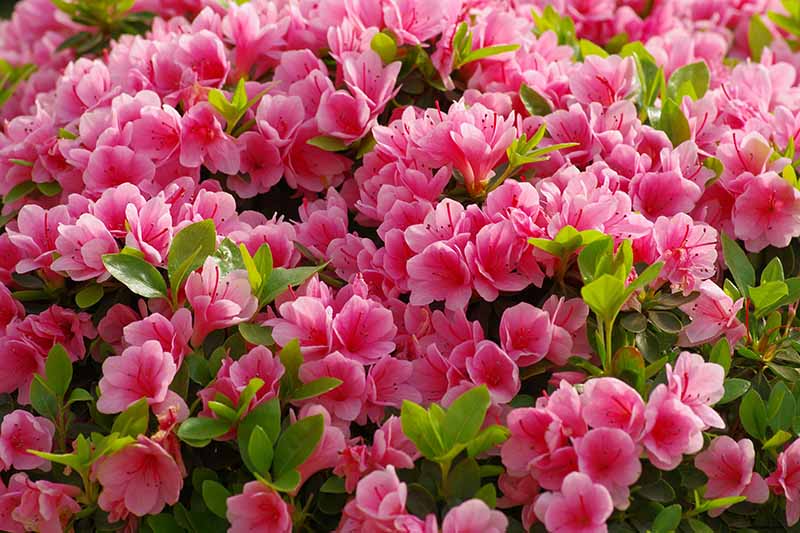
- Azaleas: Azaleas and loropetalum have similar growing requirements and can be planted together in a mixed border.
- Camellias: Camellias and loropetalum also have similar growing requirements and can be planted together in a mixed border.

- Hollyhocks: Hollyhocks add height and drama to a border, and they can be planted behind loropetalum to create a striking display.
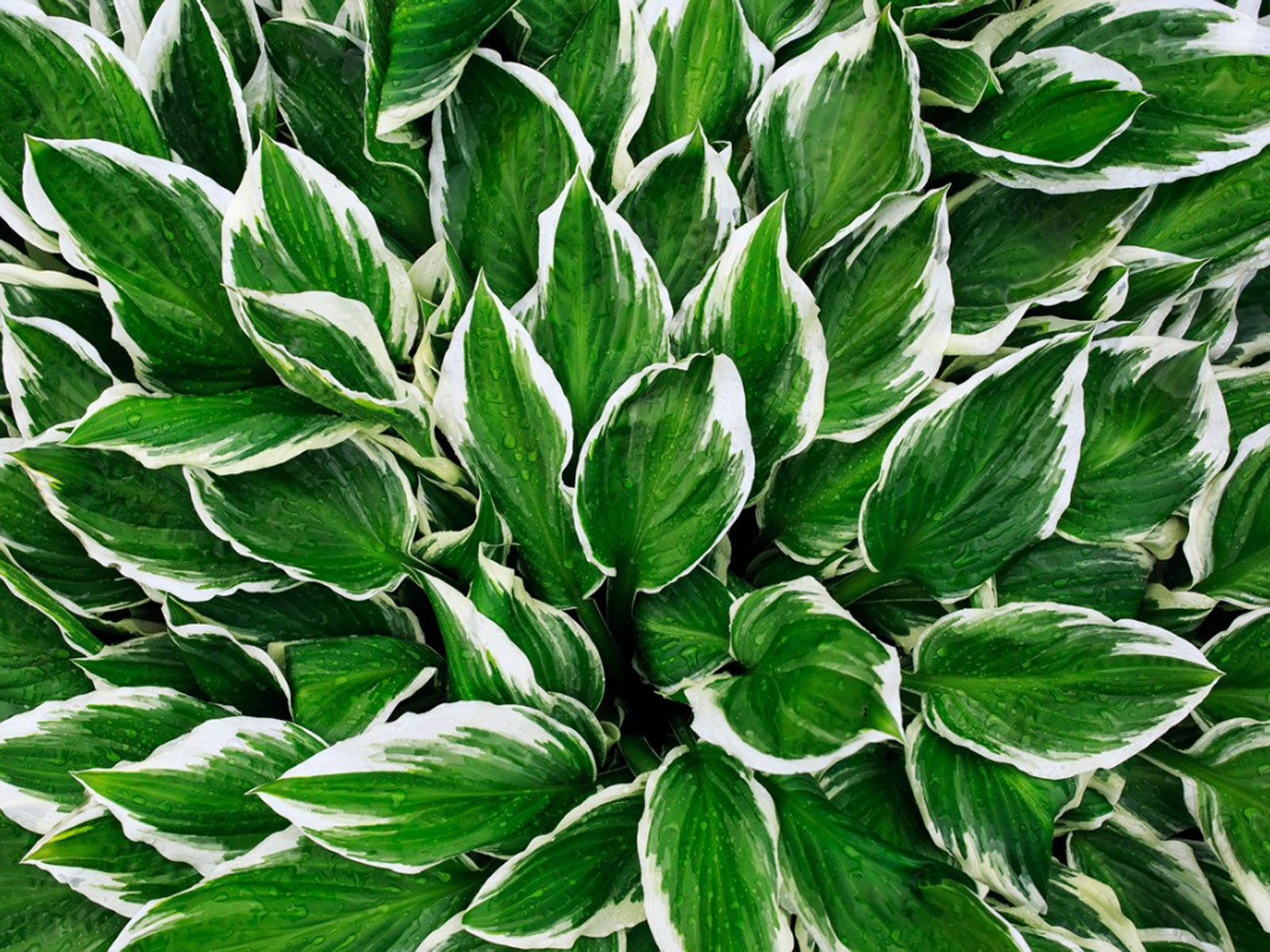
- Hostas: Hostas provide shade and moisture for loropetalum, and they can also help to suppress weeds.
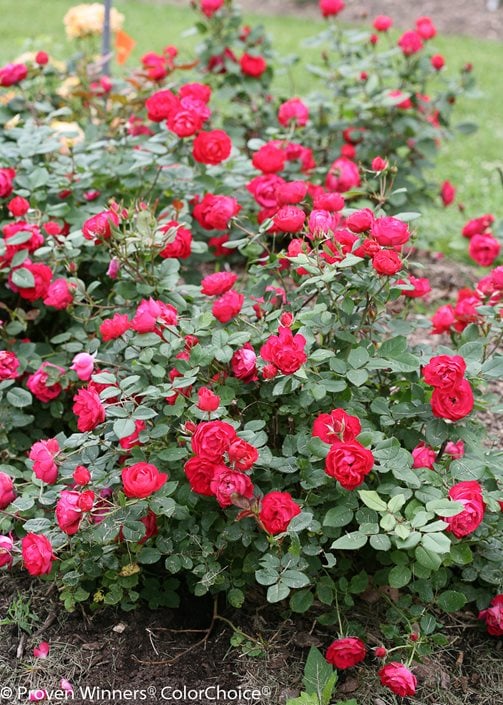
- Shrub roses: Shrub roses add color and interest to a garden, and they can be planted near loropetalum to create a beautiful contrast.
Question 2: What are the benefits of planting companion plants with loropetalum?
Answer: There are several benefits to planting companion plants with loropetalum, including:
- Improved plant health: Companion plants can help to attract beneficial insects, deter pests, and suppress weeds. This can help to improve the overall health of your loropetalum plants.
- Increased flower production: Some companion plants can help to increase flower production in loropetalum. For example, azaleas and camellias can help to attract pollinators, which can lead to more flowers.
- Enhanced beauty: Companion plants can help to enhance the beauty of your loropetalum plants. For example, hollyhocks and hostas can add height, drama, and shade, which can make your loropetalum plants even more stunning.
Question 3: What are some things to consider when choosing companion plants for loropetalum?
Answer: When choosing companion plants for loropetalum, there are a few things to consider, including:
- Growing requirements: Make sure that the companion plants you choose have similar growing requirements to loropetalum. This will help to ensure that they will both thrive in the same conditions.
- Plant size: Consider the size of the companion plants you choose. You don't want to plant anything that will eventually outgrow your loropetalum plants.
- Color: Consider the color of the companion plants you choose. You can choose plants that will complement the color of your loropetalum plants, or you can choose plants that will create a striking contrast.
- Season of interest: Consider the season of interest for the companion plants you choose. This will help to ensure that your garden is interesting throughout the year.
Question 4: How far apart should companion plants be planted?
Answer: The distance that companion plants should be planted apart depends on the size of the plants. Generally speaking, you should plant companion plants about 2-3 feet apart. This will give them enough room to grow without crowding each other out.
Question 5: When is the best time to plant companion plants with loropetalum?
Answer: The best time to plant companion plants with loropetalum is in the spring or fall. This will give the plants time to establish themselves before the hot summer weather or the cold winter weather arrives.
Image of loropetalum companion plants
5 different images of "loropetalum companion plants" from Pinterest:
- Abelia
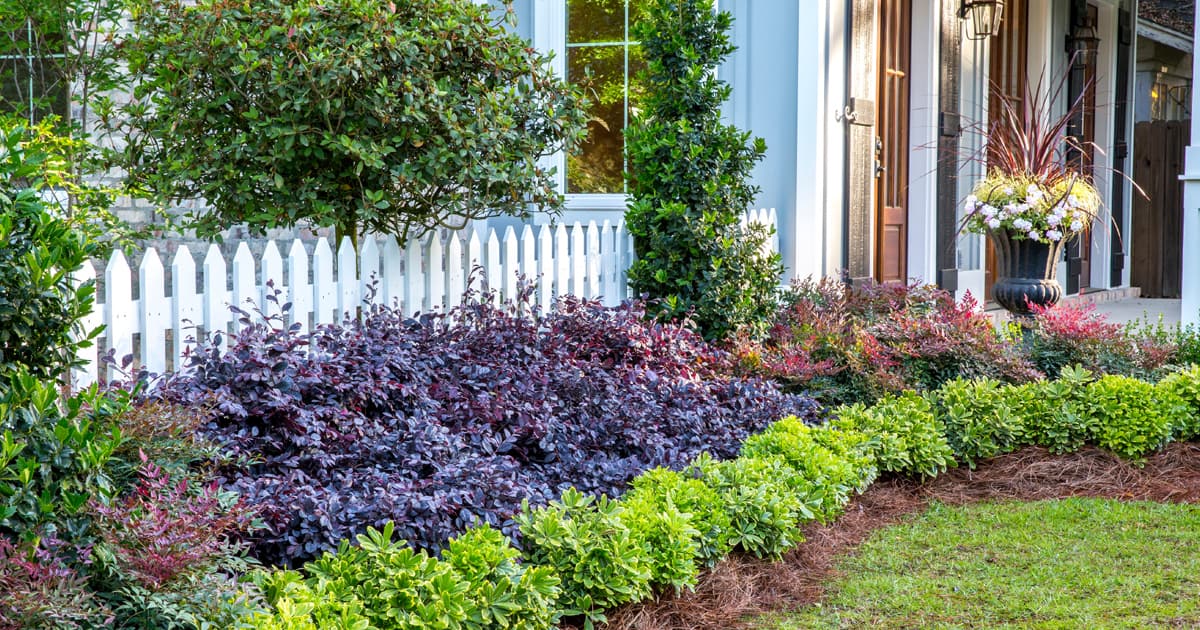 Abelia is a beautiful, flowering shrub that is perfect for companion planting with loropetalum. It blooms in shades of pink, white, or red, and its flowers attract butterflies and other pollinators.
 - Asiatic Jasmine
Asiatic jasmine is a fast-growing, evergreen vine that is perfect for covering walls or fences. It blooms in clusters of white flowers, and its fragrance is both sweet and intoxicating.
- Boxwood
 Boxwood is a classic, evergreen shrub that is perfect for adding structure and formality to a garden. It is also a low-maintenance plant, making it a good choice for busy gardeners.
 - Camellia
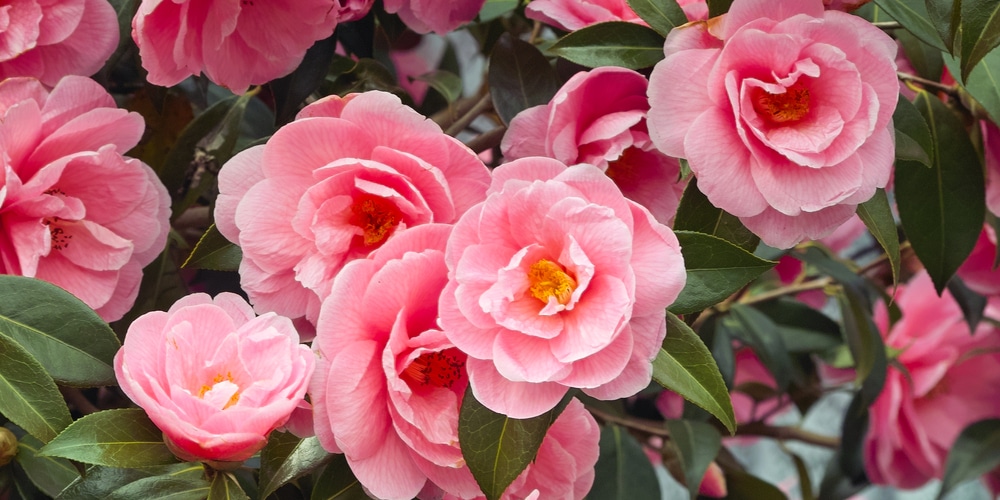 Camellia is a stunning, flowering shrub that is perfect for adding color and interest to a garden. It blooms in shades of white, pink, red, and purple, and its flowers are often large and fragrant.
 - Carissa Holly
Carissa holly is a hardy, evergreen shrub that is perfect for adding a touch of tropical flair to a garden. It has glossy, dark green leaves and clusters of white flowers.

Post a Comment for " Stunning Loropetalum Companion Plants That Will Make Your Garden Pop"